


Top Hurricane-Resistant Roofing Solutions

When it comes to protecting your home or property in South Florida, the roof is your first line of defense against hurricanes. With the frequent storms and high winds we face, choosing the right roofing solution is not just smart - it’s essential. I’ve spent a lot of time researching and working with experts to find the best hurricane-resistant roofing solutions that can stand up to the toughest weather. Let me walk you through some of the top options that combine durability, style, and peace of mind.
Why Hurricane-Resistant Roofing Solutions Matter
Have you ever wondered why some roofs survive hurricanes while others don’t? The answer lies in the materials and construction methods used. Hurricane-resistant roofing solutions are designed to withstand high winds, flying debris, and heavy rain. They reduce the risk of damage, leaks, and costly repairs after a storm.
In South Florida, building codes are strict for a reason. They require roofs to meet certain standards to protect lives and property. But beyond codes, investing in a strong roof means you’re less likely to face insurance headaches or emergency repairs. Plus, a well-built roof can even lower your insurance premiums.
Here are some key features to look for in hurricane-resistant roofing:
Wind resistance: Rated to handle winds of 130 mph or more.
Impact resistance: Ability to withstand debris without puncturing.
Waterproofing: Prevents leaks during heavy rain.
Secure fastening: Strong attachment to the structure to avoid uplift.
With these in mind, let’s explore the top roofing materials and systems that deliver on these promises.
Top Hurricane-Resistant Roofing Solutions You Should Consider
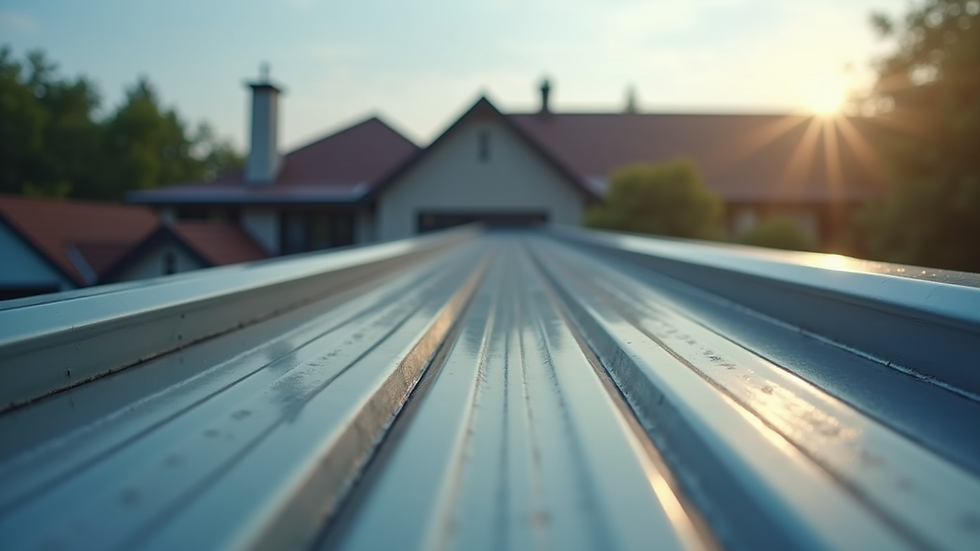
1. Metal Roofing
Metal roofs are a favorite for hurricane-prone areas. Why? They are incredibly durable and can resist winds up to 140 mph or more. Metal panels are lightweight, which reduces stress on your home’s structure during storms. Plus, they don’t crack or warp like some other materials.
Another bonus is that metal roofs are fire-resistant and energy-efficient, reflecting heat to keep your home cooler. They come in various styles and colors, so you don’t have to sacrifice curb appeal.
Tips for metal roofing:
Choose interlocking panels for better wind resistance.
Ensure professional installation with strong fasteners.
Look for coatings that prevent corrosion in salty coastal air.
2. Concrete and Clay Tiles
Concrete and clay tiles are classic choices in South Florida. They are heavy and strong, making them naturally resistant to wind uplift. Their weight helps keep them in place during hurricanes. These tiles also offer excellent fire resistance and can last for decades with proper care.
However, because they are heavy, your roof structure must be reinforced to support them. Also, tiles can crack if hit by large debris, so impact-resistant options are worth considering.
Tips for tile roofing:
Use interlocking tiles for added security.
Inspect and replace cracked tiles promptly.
Pair with a waterproof underlayment to prevent leaks.
3. Impact-Resistant Asphalt Shingles
Asphalt shingles are common and affordable, but not all are created equal. For hurricane resistance, look for shingles rated Class 4 impact-resistant. These shingles are tested to withstand hail and flying debris without damage.
They are also designed to resist wind uplift with strong adhesives and fasteners. Asphalt shingles are easier to install and replace, making them a practical choice for many homeowners.
Tips for asphalt shingles:
Choose shingles with a high wind rating (130 mph or more).
Ensure proper nailing patterns during installation.
Maintain your roof by clearing debris and inspecting after storms.
4. Synthetic Roofing Materials
Synthetic roofing options, like rubber or polymer-based shingles, are gaining popularity. They mimic the look of natural materials like slate or wood but offer superior durability and impact resistance.
These materials are lightweight, flexible, and often come with warranties that cover hurricane damage. They resist cracking, fading, and algae growth, making them low-maintenance.
Tips for synthetic roofing:
Verify the product’s wind and impact ratings.
Choose certified installers familiar with synthetic materials.
Consider the environmental benefits of recyclable options.

How to Choose the Right Hurricane-Resistant Roof for Your Property
Choosing the best roofing solution depends on several factors. Here’s how I recommend approaching it:
Assess your property’s structure: Some roofs can’t support heavy tiles without reinforcement.
Consider your budget: Metal and synthetic roofs may have higher upfront costs but save money long-term.
Check local building codes: South Florida has specific requirements for hurricane zones.
Think about aesthetics: Your roof should complement your home’s style.
Consult with professionals: A trusted roofing contractor can provide insights tailored to your property.
If you’re in South Florida, working with experts like 4ever roofing miami-dade county can make a huge difference. They understand local codes, weather challenges, and insurance processes, helping you get the best roof and support.
Maintenance Tips to Keep Your Hurricane-Resistant Roof in Top Shape
Even the best roofs need care to stay strong. Here are some simple maintenance tips:
Regular inspections: Check for loose or damaged shingles or tiles, especially after storms.
Clean gutters: Prevent water backup that can damage your roof and walls.
Trim trees: Avoid branches that could fall and damage your roof.
Remove debris: Leaves and dirt can trap moisture and cause deterioration.
Schedule professional check-ups: A roofing expert can spot issues you might miss.
Taking these steps can extend your roof’s life and keep it ready for the next hurricane season.
Ready to Protect Your Home with a Hurricane-Resistant Roof?
Choosing the right roofing solution is a smart investment in your property’s safety and value. Whether you prefer the sleek look of metal, the classic charm of tiles, or the versatility of synthetic materials, there are options designed to withstand South Florida’s hurricanes.
Don’t wait until the next storm is on the horizon. Reach out for a free roof inspection and expert advice. With the right roof, you can face hurricane season with confidence and peace of mind. Remember, a strong roof is your best defense - and it’s worth every effort to get it right.


Comments